Can UAE Residents Buy Property in Saudi Arabia Now? What Changes From 2026 Rami Sheikh January 19, 2026

Can UAE Residents Buy Property in Saudi Arabia Now? What Changes From 2026

saudi arabia

Saudi Arabia has entered a new phase of real estate liberalisation with the introduction of a foreign ownership law that came into effect in January 2026.

For the first time, non-Saudi nationals including UAE citizens and expatriate residents are permitted to purchase property in designated areas of the Kingdom. The reform marks a significant shift in regional property policy and reflects Saudi Arabia’s broader Vision 2030 strategy to attract international capital, stimulate private sector growth, and diversify its economy beyond hydrocarbons.

Who Is Eligible to Buy Property in Saudi Arabia?

Under the new framework, foreign individuals and companies are now eligible to own freehold real estate, subject to regulatory approval and location-based restrictions. Eligibility includes:

  • UAE citizens

  • UAE expatriate residents

  • Foreign companies operating in the region

Ownership is permitted only within approved zones, which are being rolled out in phases. This structured approach allows Saudi authorities to maintain oversight while gradually opening the market.

Where Can Foreigners Buy Property?

In the first phase, foreign ownership is permitted in designated areas of Riyadh and Jeddah, Saudi Arabia’s two largest and most economically active cities. Additional cities are expected to be added during 2026 as zoning frameworks and regulatory boundaries are finalised.

Makkah and Madinah remain subject to stricter controls due to religious and cultural considerations, and any foreign ownership in these cities will require special approvals.

The list of approved zones and ownership conditions is expected to be published through official consultation platforms, providing greater transparency for investors.

How This Compares With the UAE Property Market

While Saudi Arabia has opened the door to foreign ownership, its model remains more regulated than the UAE’s. The UAE introduced freehold ownership more than two decades ago, resulting in a mature, globally integrated property market with established transaction systems and investor protections.

Saudi Arabia’s market, by contrast, is still in an early stage of liberalisation. Buyers should expect:

  • A stronger emphasis on regulatory approvals

  • Ongoing refinements to ownership rules

  • A market still undergoing price discovery

For UAE-based buyers, this means the Saudi market may offer long-term upside, but requires careful due diligence and a longer investment horizon.
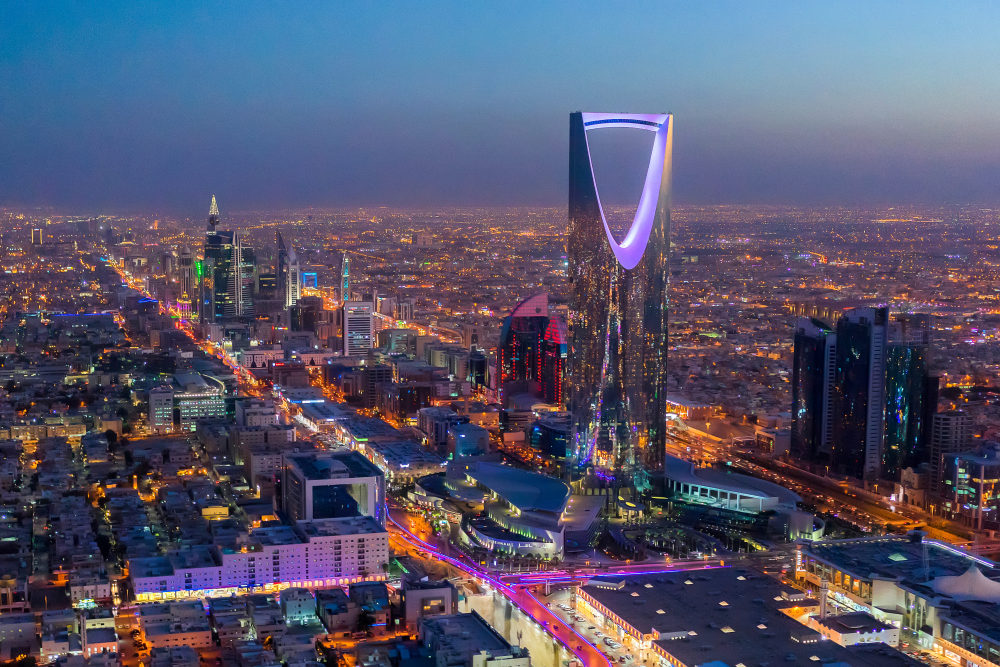

The reform is closely tied to Saudi Arabia’s Vision 2030 objectives, which prioritise:

  • Attracting foreign direct investment

  • Expanding housing supply

  • Developing major urban centres

  • Encouraging private sector participation

Real estate plays a central role in this strategy, particularly as the Kingdom continues to invest heavily in infrastructure, transport, tourism, and mixed-use developments across its major cities.

By allowing foreign ownership, Saudi Arabia aims to deepen liquidity, support new development pipelines, and position its cities as competitive regional investment destinations.

While the opportunity is significant, industry observers advise a measured approach. Key considerations include:

  • Location verification: Confirm the property lies within an approved foreign ownership zone

  • Regulatory compliance: Understand approval processes, registration rules, and resale conditions

  • Financing: Mortgage availability for foreign buyers is still evolving

  • Tax and legal structure: Seek professional advice on ownership structures and obligations

Saudi real estate should be viewed primarily as a long-term strategic investment, aligned with population growth, infrastructure expansion, and economic transformation.

Saudi Arabia’s decision to open its real estate market to foreign buyers places it alongside other Gulf markets that have successfully leveraged property liberalisation to attract global capital. Dubai’s experience demonstrates how such reforms can reshape a city’s investment profile over time.


If Saudi Arabia follows a similar trajectory, cities such as Riyadh and Jeddah could emerge as major cross-border property investment hubs in the coming decade redefining the regional real estate landscape and creating new opportunities for UAE-based investors.

For more latest real estate requirements please contact us at +971 50 502 6788. Follow us on Instagram, Facebook, YouTube, LinkedIn and X for more information.

Scroll
We’re here to help you find the right option

Download Unit Layout

Get a free Consultation

Leave your details and one of our advisors will get in touch to provide the information you need
We’re here to help you find the right option

Download Brochure