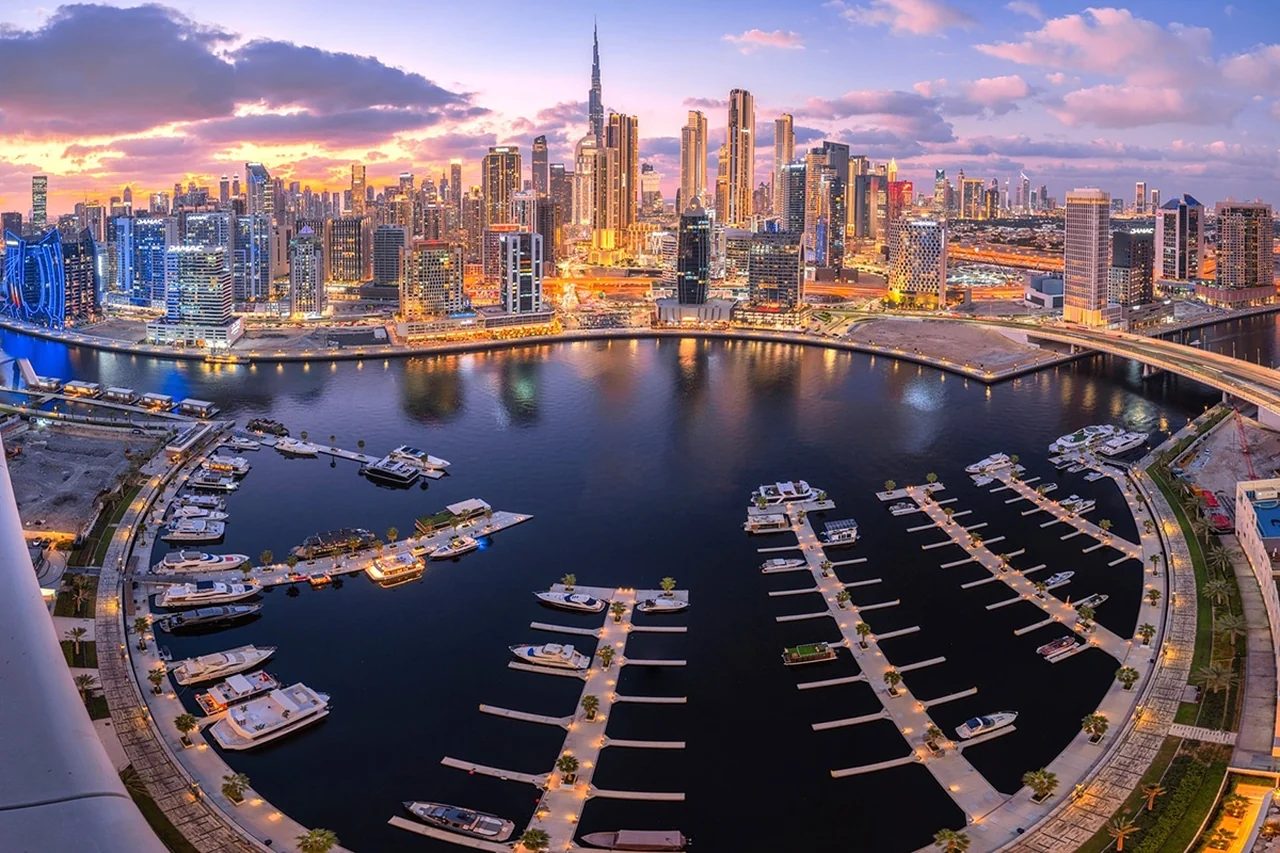
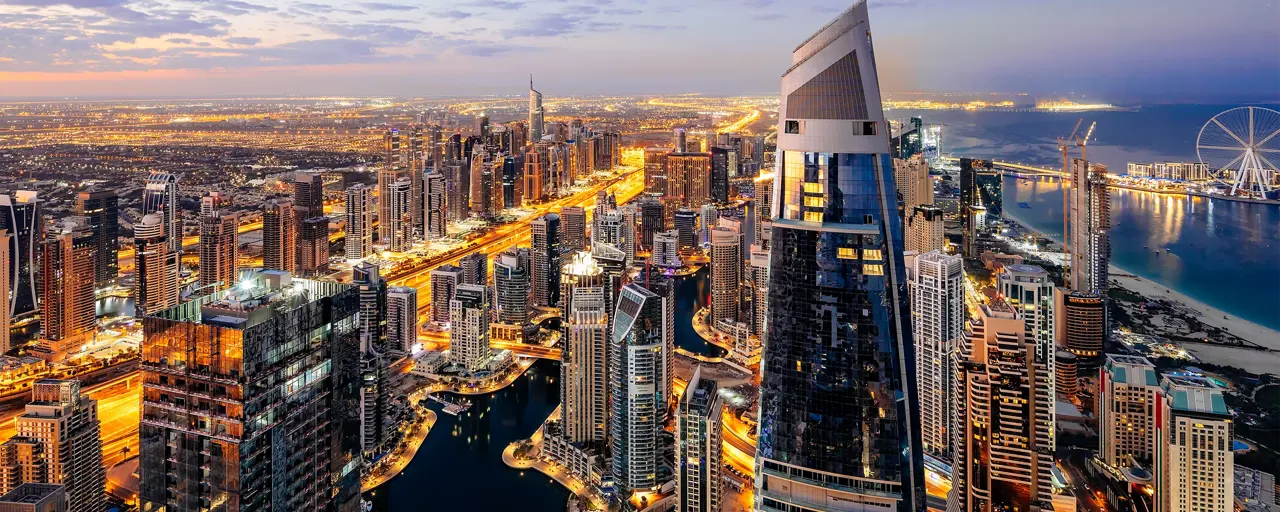
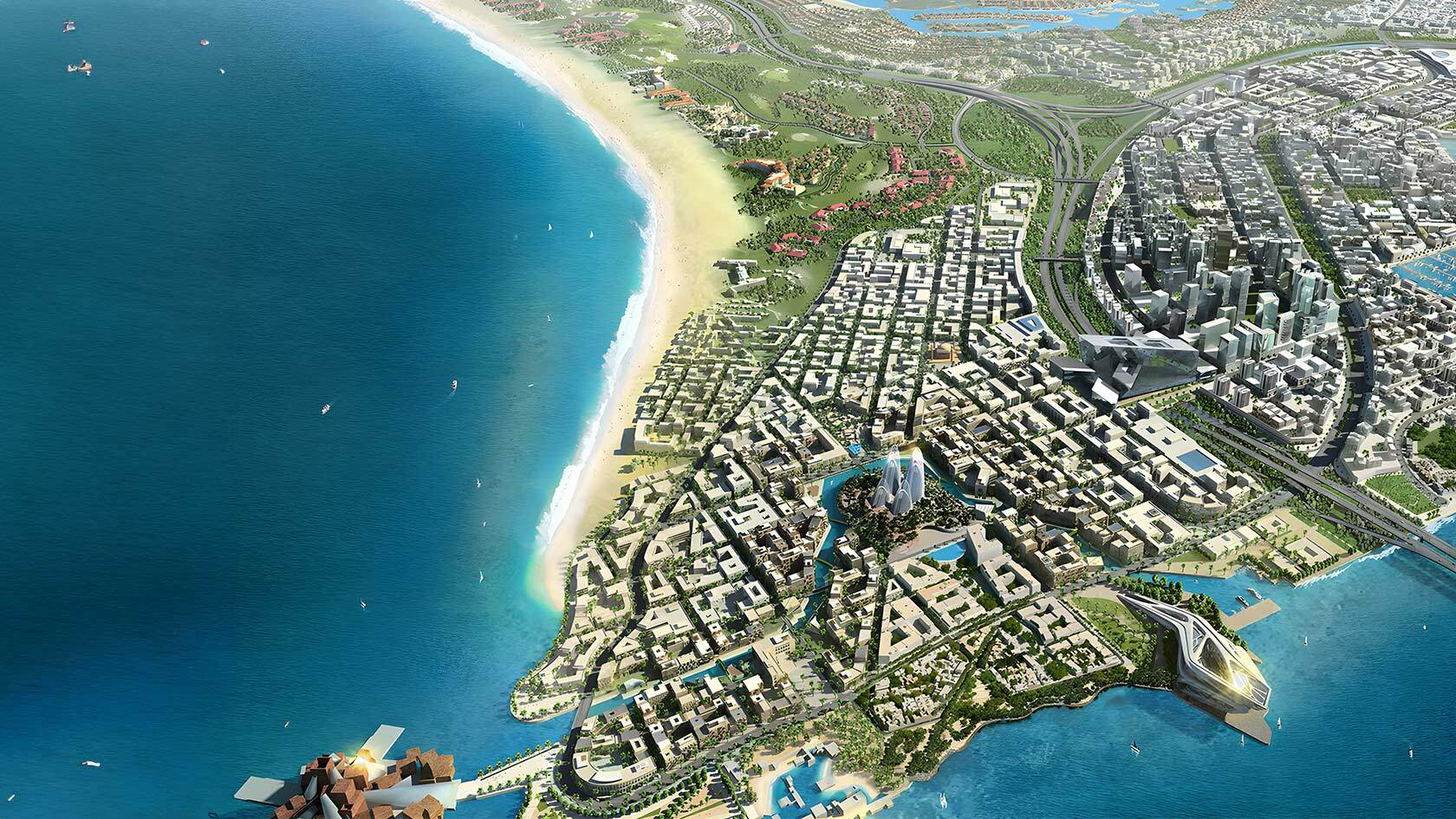
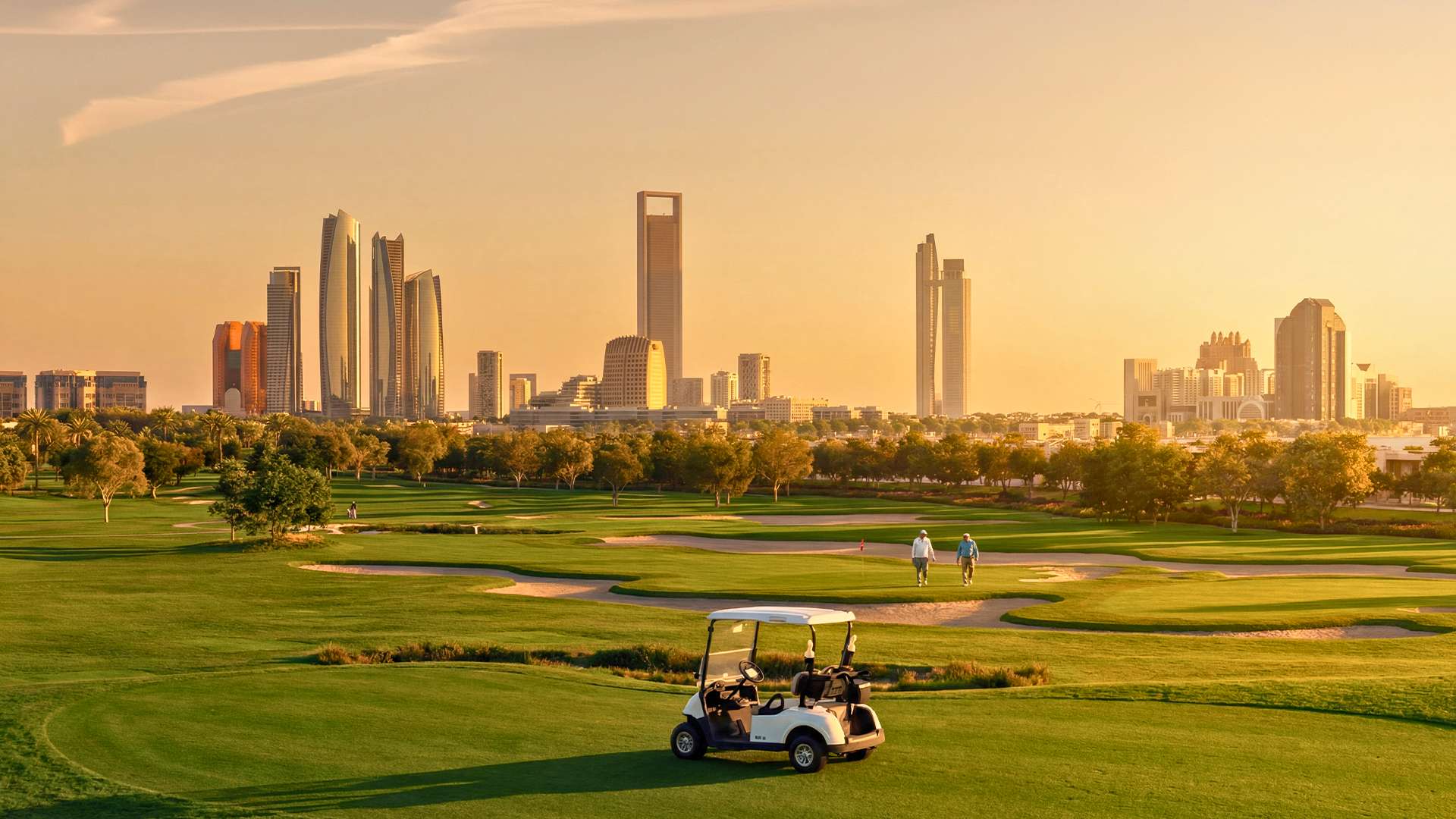
The UAE real estate market soared to a record $16.9 billion in 2025, largely driven by booming branded residences in Dubai and Abu Dhabi.
The United Arab Emirates (UAE) real estate market is experiencing an unprecedented boom, with property sales reaching a record AED 62 billion (US$16.9 billion) in 2025. This remarkable surge is largely propelled by the burgeoning demand for branded residences in Dubai and Abu Dhabi, which stand at the forefront of current market activity. This exceptional growth is underpinned by robust population expansion, a flourishing tourism sector, strategic economic diversification efforts, and the successful attraction of international corporations and high-net-worth individuals.
Branded residences, developed with elite global brands, offer more than just upscale living; they provide status, long-term value, and an unmatched lifestyle experience with hotel-level services and exclusive access to brand-specific events. For ultra-high-net-worth individuals (UHNWIs), these are “trophy assets” and a profound expression of personal identity, fostering deep brand loyalty.
From an investment perspective, branded residences offer consistent rental income potential, lower vacancy rates, and faster capital appreciation. Globally, they command an average premium of 30-35% over non-branded units, with Dubai seeing premiums as high as 45%, and some reports indicating up to 69% per square foot.
Both Dubai and Abu Dhabi are seeing significant expansion. In Dubai, over 13,000 branded units were sold in 2024, a 43% year-on-year increase, with projections for the number of projects to more than double in five years. Abu Dhabi’s branded residence segment is experiencing record growth in 2025, with launches increasing fourfold and at least 25 new branded residences expected. Notable successes include the Waldorf Astoria Residences on Yas Island selling out in a single day, and a Nobu Residences penthouse achieving a record AED 137 million sale. Property prices in Abu Dhabi’s branded projects average AED 2,500 to AED 4,000 per square meter, significantly lower than comparable properties in Dubai and Ras Al Khaimah, offering a competitive edge for investors.
The UAE’s real estate growth is intrinsically linked to its burgeoning population. Dubai’s population is projected to surpass 4 million by 2026, up from approximately 3.65 million in early 2025. Abu Dhabi’s population reached 3.8 million in 2023, nearly doubling since 2011, with expectations to exceed 6 million by 2040. This rapid expansion is fueled by an influx of expatriates and government initiatives to attract global talent, directly fueling demand across residential, commercial, and mixed-use developments.
A key incentive is the UAE Golden Visa program, where properties valued at AED 2 million or more often qualify buyers for a 10-year renewable visa, extending to family members. This program attracts high-net-worth individuals (HNWIs) seeking long-term residency, global mobility, and a secure haven for wealth preservation. Despite rapid population growth, the residential construction pipeline, particularly for villas, has lagged behind demand, creating an imbalance that exerts upward pressure on property prices.
Dubai’s status as a global tourism magnet significantly contributes to its real estate dynamism. The city welcomed 17.15 million international overnight visitors in 2023, a 19.4% increase, and is on track to exceed 5.3 million visitors in Q1 2025. Dubai has also consistently topped global charts, including Tripadvisor’s Travelers’ Choice Awards for three consecutive years. Abu Dhabi is mirroring this success, with 1.4 million overnight guests visiting in Q1 2025.
The hospitality sector in both emirates is booming. Dubai’s average hotel occupancy rate reached 77.4% in 2023 and has maintained strong rates of 80-85% in 2025. Abu Dhabi’s hospitality sector generated Dhs2.3 billion in revenue in Q1 2025, an 18% year-on-year increase, with hotel occupancy at 79%. This sustained high occupancy creates a robust “spillover effect” into the short-term rental market, directly benefiting residential real estate investors. Short-term rentals in prime areas of Dubai can generate 7–12% annual rental yields. Tourism is a powerful driver of property appreciation, with areas of high tourist traffic seeing prices appreciate by 15-20% annually, and luxury properties in prime tourist locations recording up to 25% price appreciation.
The UAE’s economic success is rooted in its proactive diversification strategy, significantly reducing its reliance on oil revenues. Non-oil sectors now account for over 95% of Dubai’s GDP and 74.3% of the UAE’s total GDP in H1 2024. This strategic shift, with substantial investments in infrastructure, tourism, and real estate, has fostered a resilient, multi-pillar economy, providing a stable macroeconomic environment that underpins sustained real estate demand and investor confidence.
Key non-oil contributors include tourism, retail, real estate, financial services, and technology. The UAE’s real GDP grew by 3.8% during the first nine months of 2024, with non-oil GDP expanding by 4.5%. Forecasts project real GDP growth to accelerate to 4.5% in 2025 and 5.5% in 2026. The government’s continuous investment in advanced infrastructure and smart city initiatives further enhances the nation’s appeal for tech-driven enterprises and global talent.
Dubai and Abu Dhabi have firmly established themselves as premier global destinations for high-net-worth individual (HNWI) relocations. Dubai’s millionaire population surged by 98% over the past decade, with projections indicating it could double by 2035, currently hosting over 81,200 millionaires.
This attraction stems from compelling incentives: the UAE’s tax-free status (no personal income, capital gains, or inheritance tax), business-friendly policies (including 100% foreign ownership), and strong legal frameworks offering transparency and investor protection. The UAE’s reputation as one of the world’s safest cities provides exceptional personal security and political stability. This comprehensive value proposition positions the UAE as a premier safe haven for global capital and talent.
Real estate stands out as the preferred asset class for HNWIs in Dubai. The influx of international buyers has directly led to a surge in demand for villas and penthouses, driving property values and transforming the UAE into a globally recognized real estate destination. Dubai has notably led the global market in home sales above US$10 million for two consecutive years. Proactive legal reforms and the Golden Visa program fundamentally de-risk real estate investment for international buyers, fostering deep confidence and driving significant capital inflows.
The remarkable success of the UAE’s real estate market is a testament to the powerful synergy among its key growth drivers. Rapid population growth, a booming tourism sector, successful economic diversification, and the proactive attraction of global wealth and corporations create a self-reinforcing virtuous cycle. Each driver amplifies the others, establishing a highly dynamic yet stable ecosystem that promises sustained long-term appreciation and rental yields.
For more latest real estate news and requirements please contact us at +971 50 502 6788 or visit our official website by clicking here.
Follow us on Instagram, Facebook, YouTube, LinkedIn and X for more information.